THE WORLD AS A PARENT
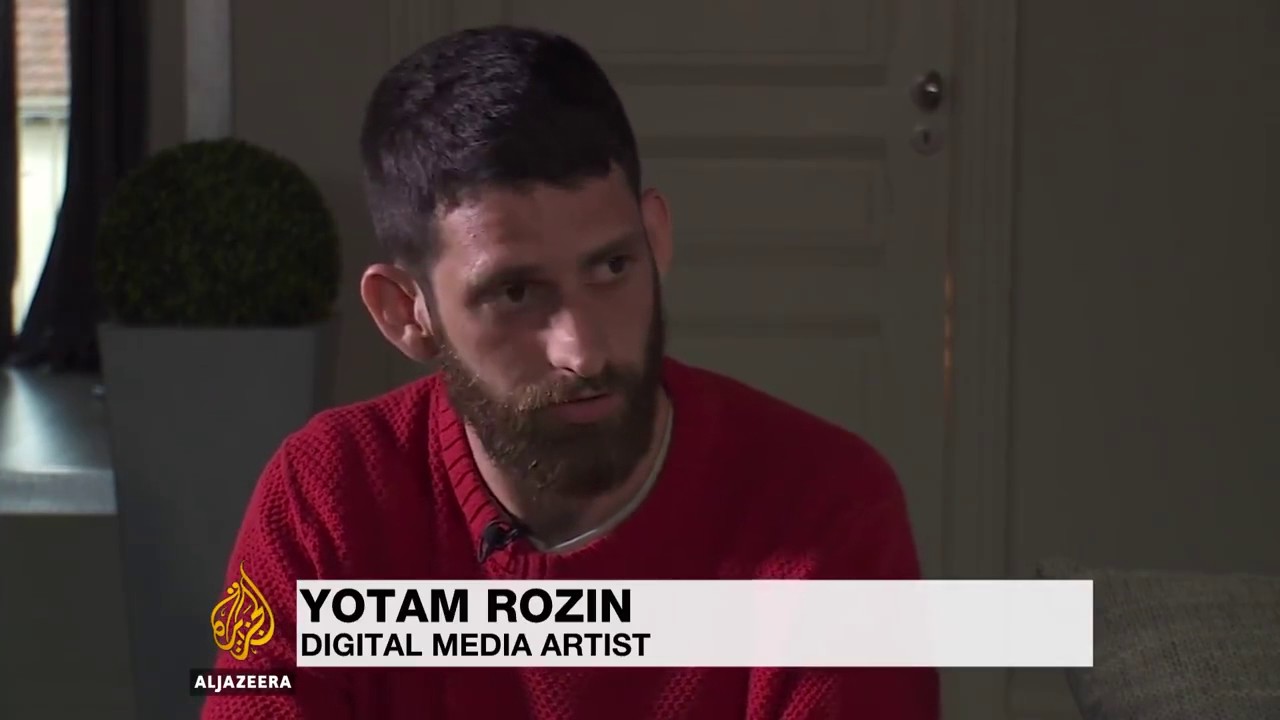
by Yotam Rozin
Writing Sample
Three short excerpts from The World as a Parent illustrate the book's movement between historical exploration, poetic inquiry, and narrative life-writing. Together they show how the book weaves ancient cosmological narratives, our shared experience of being in the womb, and the questions sparked by Janusz Korczak's life and writing into a single, sustained literary inquiry into the world as a parent.
Excerpt I — Bonds: The First Cosmology
As Korczak writes, "the same blood runs through its and your veins, and not a single drop of your red blood knows whether it will remain yours or its, or will be spilled to perish as a toll collected by the mystery of conception and delivery." (trans. Olga Medvedeva-Nathoo)
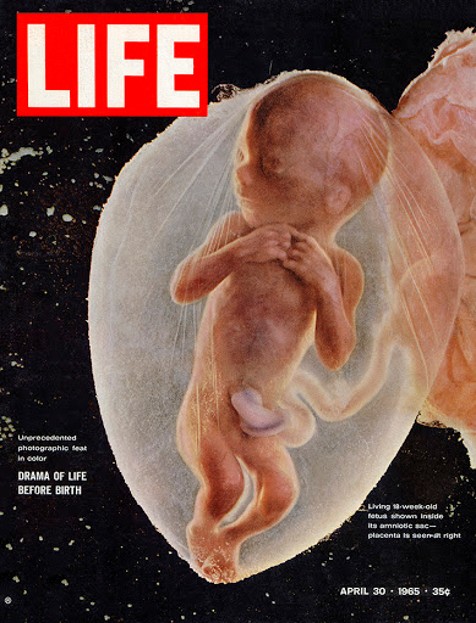
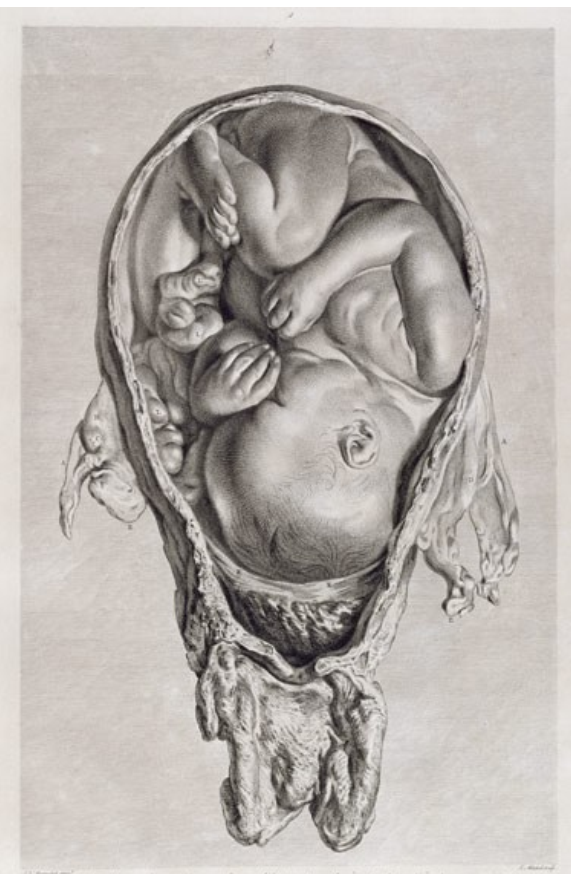
The most conspicuous and vigorous experience of our early life must be the yolk-sac- and placenta-mediated exchange of blood with the world. Before anything else, we are suspended in a fluidal communion in the medium of blood. The blood of the mother is no longer the blood of one — it becomes a third element, turning two into one, the first bond between two bodies interlocked in bipolar intimacy. The bond itself, the exchange and connection, fills experience with an intense closeness that traverses the boundaries between in and out. It is no wonder that most love symbols are coloured red — in the state of womb-immanent blood communion you are in love.
The exchange of placental-umbilical blood, filled with substantial nourishment as well as toxins, is a powerful, constant, pulsating, and colossal state of closeness. The pulsation is a rhythmic bond between two hearts, a blood communion bringing hearts and nourishment into attunement. We feel a communion suspended in a flow, surging in pulsations, which satiates, nourishes, enlivens, and catalyses constant change with a powerful sense of growth.
Excerpt II — Korczak and the Canary
Henryk Goldszmit was a sheltered child, raised in a Warsaw upper-middle-class home and largely kept indoors for fear of his frail health. His closest friend was a canary — a fellow captive whose life, like Henryk's, was caged by caution. At five years old, Henryk awoke one morning to a devastating sight: his beloved bird lay motionless at the bottom of its cage. His biographer, Betty Jean Lifton, recounts how the grief-stricken boy "put the beak in his mouth, and tried to breathe life into it" — a futile act of desperate love. With his younger sister Anna as accomplice, they wrapped the tiny body in cloth and placed it in an empty candy box, to be buried beneath the chestnut tree in the forbidden courtyard.
In May 1942, caged now between the walls of the Nazi Warsaw Ghetto, Henryk — by then known as Janusz Korczak, the Old Doctor — recalled that childhood loss:
"Granny would hand me a raisin and say 'You philosopher.' Apparently, in an intimate talk with Granny, I had already confided my audacious plan to transform the world [...] What to do for
there to be no dirty, ragged, and hungry children with whom I was not permitted to play in the courtyard, where under the chestnut, in a boiled-sweet tin and wrapped in cotton wool, my first deceased, close dear friend lay buried, as yet only a canary? Its death had raised the mysterious question of religion. I wanted to put a cross on its grave. Our servant said that I couldn't, because it was a bird, something much lower than a person. It was a sin even to cry. So much for the servant. But what was worse, the janitor's son declared that the canary was a Jew. And I was a Jew."
Five-year-old Henryk saw in his canary not a pet, but a kin — a person among persons, worthy of love, grief, and the solemnity of a ritual burial. This same boy would dedicate his life to defending the personhood of children in a world that too often denied it. As we trace the world's story as a parent, this "mysterious question of religion" — of who is granted dignity, and who has no right to be mourned — is never merely historical. It is woven into the fabric of our collective and personal lives still.
Excerpt III – The Story of Tiamat
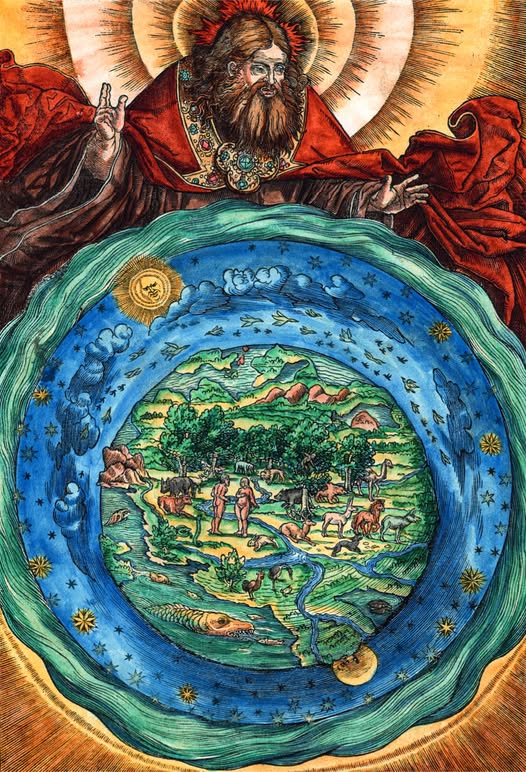
Between 3300 and 1200 B.C., warring kingdoms and empires that would capture modern imagination thrived in South-West Asia and North Africa. Ancient Egypt, Israel, and Mesopotamia, among others, all believed the world was surrounded on all sides by primordial oceans. And it is out of that amniotic fluid that everything they knew was born. Like their ancestors, they associated bodies of water, and these cosmological oceans in particular, with the maternal body and the uterine environment. The threat of chaos that these feminine waters posed, as far as they understood, meant that these Bronze Age civilizations paired this cosmology with colossal urban architectural projects — layers of monumental walls sheltering their inhabitants in capsules of law and order — a sort of protective and containing man-made realm where these chaotic oceanic forces were conquered and tamed.
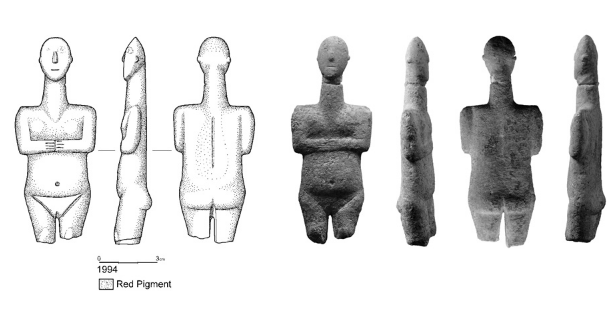
Where Neolithic tradition venerated benevolent goddesses as life-givers and creators, Bronze Age people demoted their goddesses to lesser existential stature. In their place, a new generation of heroic male gods rose to power and fame by defeating these wretched mother monsters. Death, which once meant a sweet return to luscious fertile land — absorbed back into the mother — came to mean a grim descent into a barren and ghastly netherworld. As goddesses were demoted and demonized, so too were their mortal counterparts — women — feared and loathed. Creation stories of the first women, from the late third millennium onward, told of the scourge they brought upon mankind — effectively severing the connection with the divine and bringing punishment and disease.
Babylonian mythological poetry tells of the mother of all Gods, the primordial ocean — Tiamat — the amniotic fluid origin of divine life, and hence the source of
all existence. Her name, Tiamat, is born out of the Akkadian words tiamtum or tâmtu, meaning "sea." Her epithet, Muallidat gimrišun — "who bore them all" — attests to her role as oceanic creatrix. But Tiamat did not create the gods and world alone — Apsu, the god of the still sweet waters of the underground, was her consort. It is their union — the union of feminine chaos and masculine stillness, of the water of heaven and the water inside the earth — that birthed the world the Babylonians inherited.
Tiamat herself succeeded the place of a much earlier Sumerian goddess, Namma (or Nammu). Her name is written with the sign for the engur — the subterranean, undifferentiated life-giving waters (Apsu/abzu). The venerated goddess was praised by her worshipers in song: "the mother who gave birth to heaven and earth" and "the first mother who bore the gods of the universe." Unlike Tiamat's story, the Sumerian myth is a story of parthenogenesis, or "virgin birth" — Namma has no male counterpart and thus spontaneously conceives and births the world all on her own.
Tiamat and Apsu, in that sense, are Namma split into two primordial waters, two foundational life forces. After a war between her husband and their sons ends with Apsu's death, Tiamat's asexual reproduction births only monsters. In her vengeful grief, Tiamat sends her monstrous progeny — eleven fierce demons — to kill her very own children. But the lion-headed storm demon Ugallu, the scorpion-humanoid Girtablullû, the snake-dragon Mušḫuššu, and all the other hybrid abominations failed to protect her from her son Marduk. The hero warrior god slays Tiamat, and from his mother's corpse, creates the world the Babylonians inhabited. "In the hands of Marduk," writes Katz, "Tiamat, the sea of amniotic fluid, would become the building material of the whole universe."
Letter of Endorsement
A letter from Joey Connolly, former Head of Faber Academy, who has mentored the development of this manuscript and its literary voice.
Notable Artistic Practice
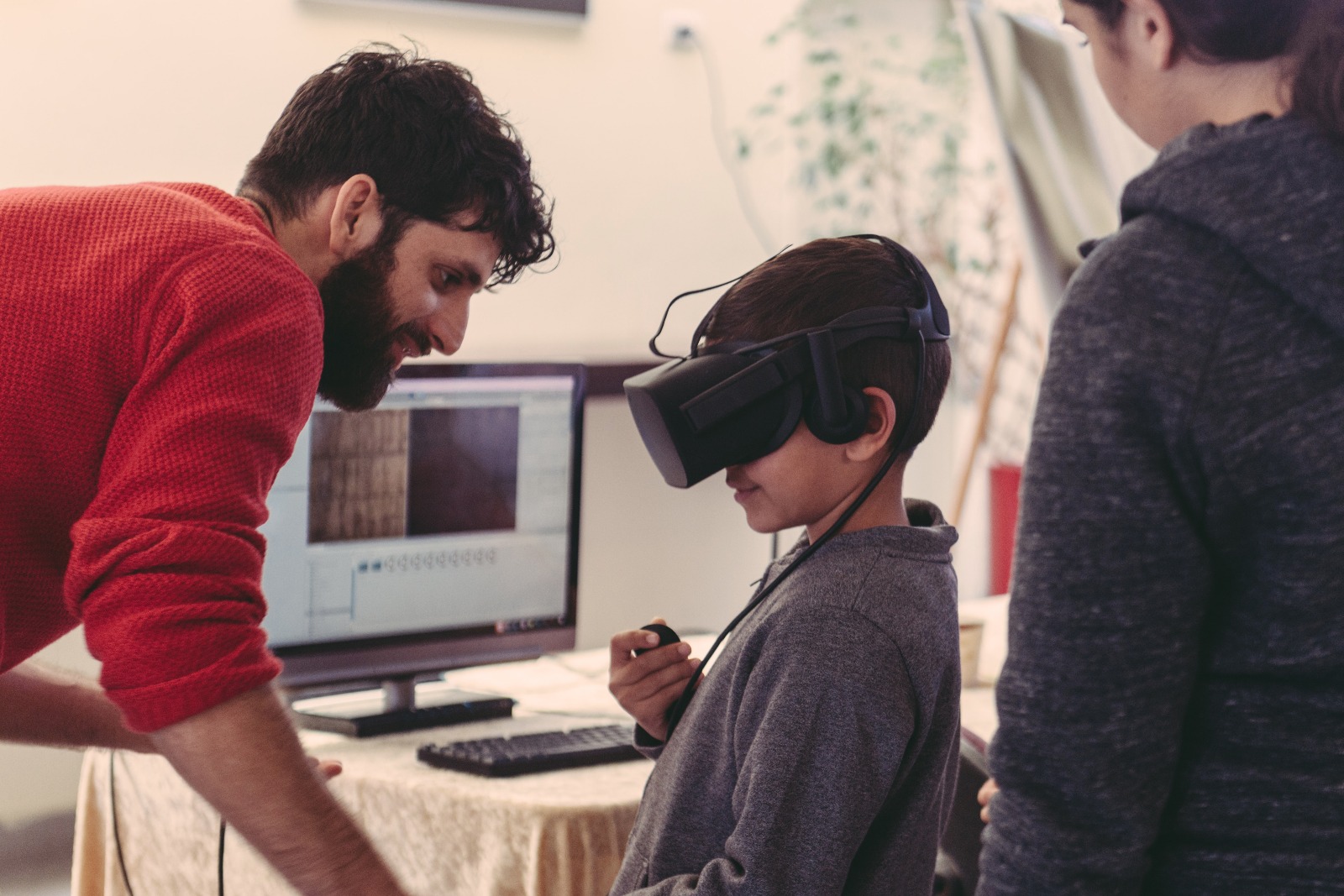
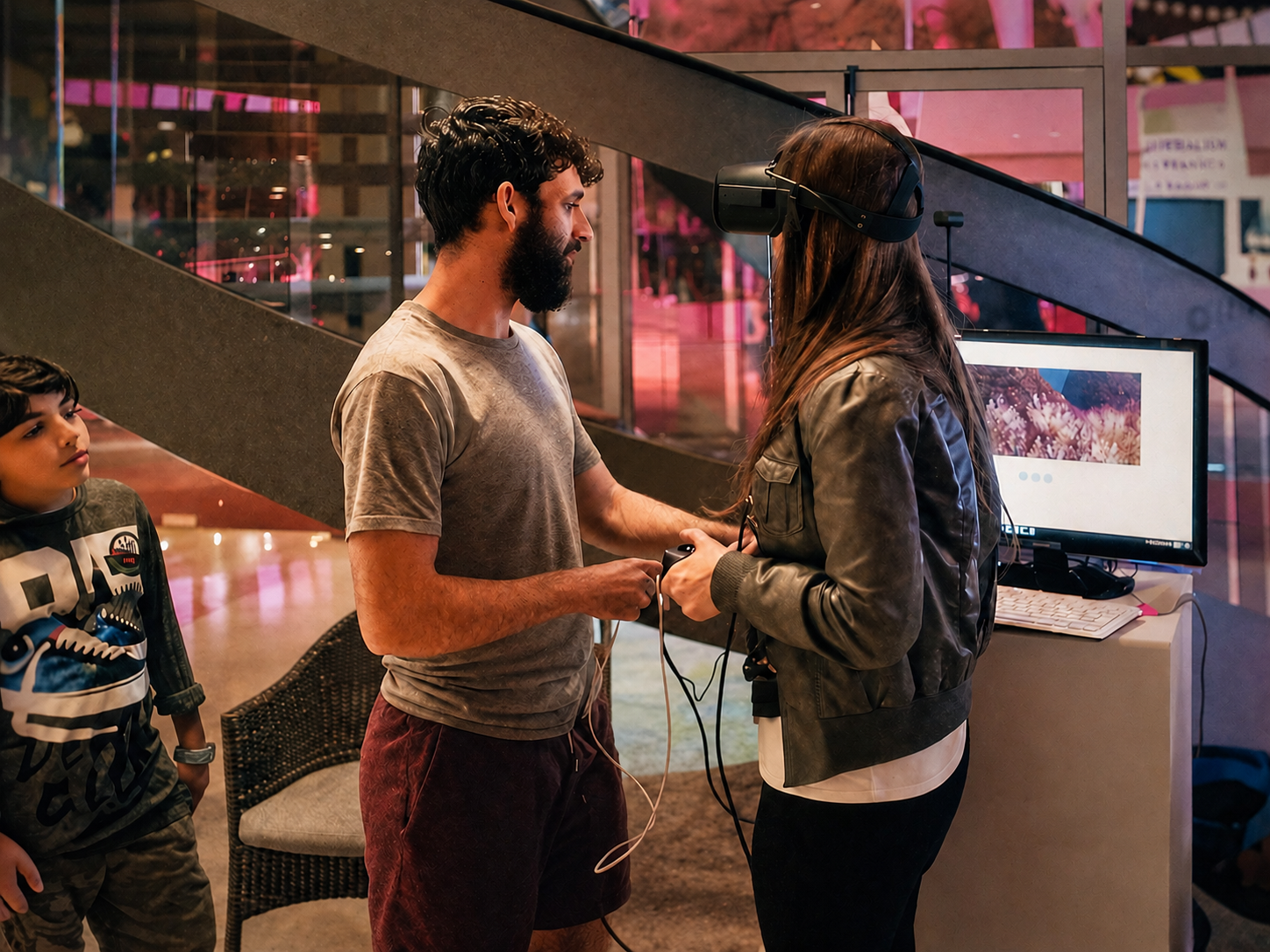
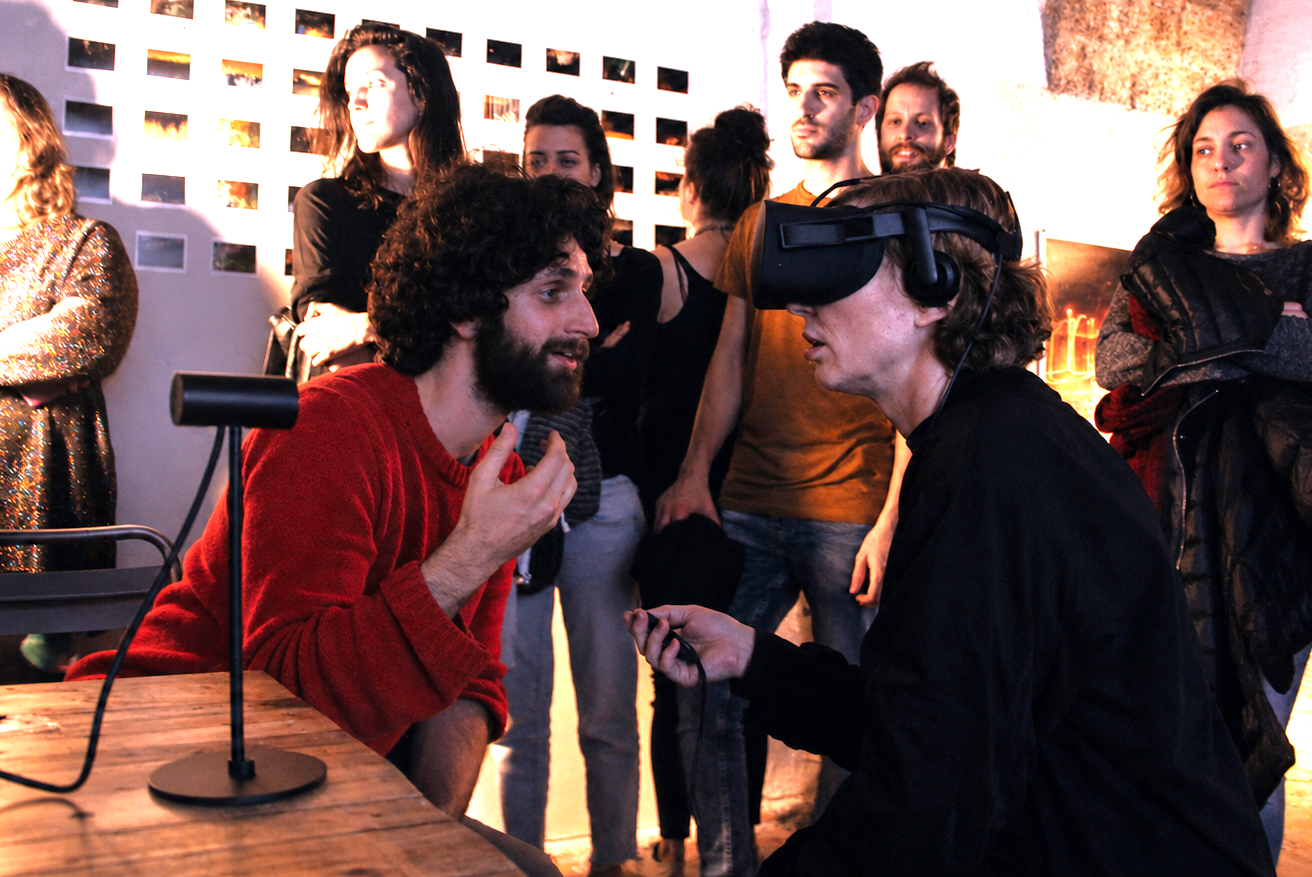
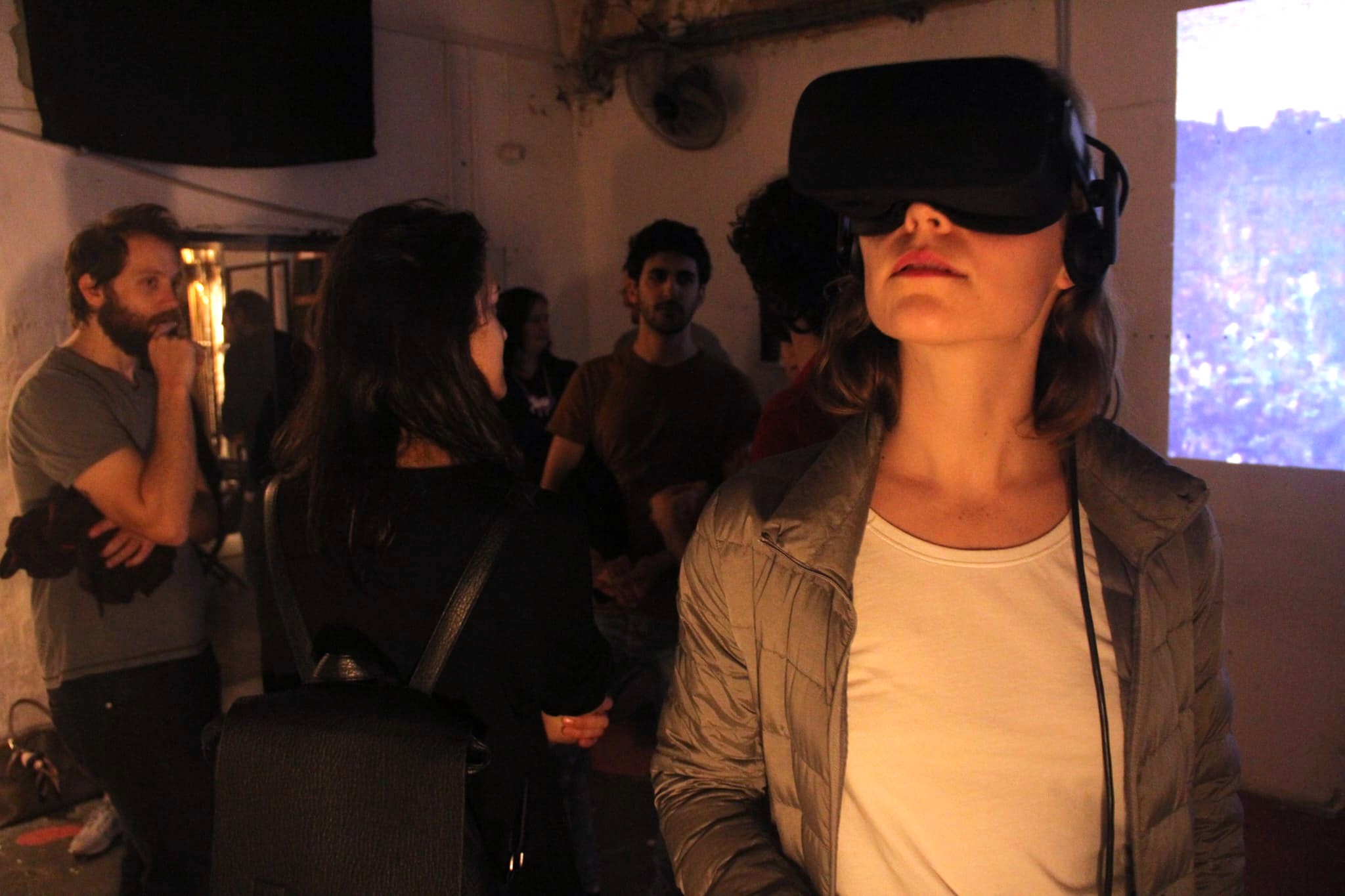
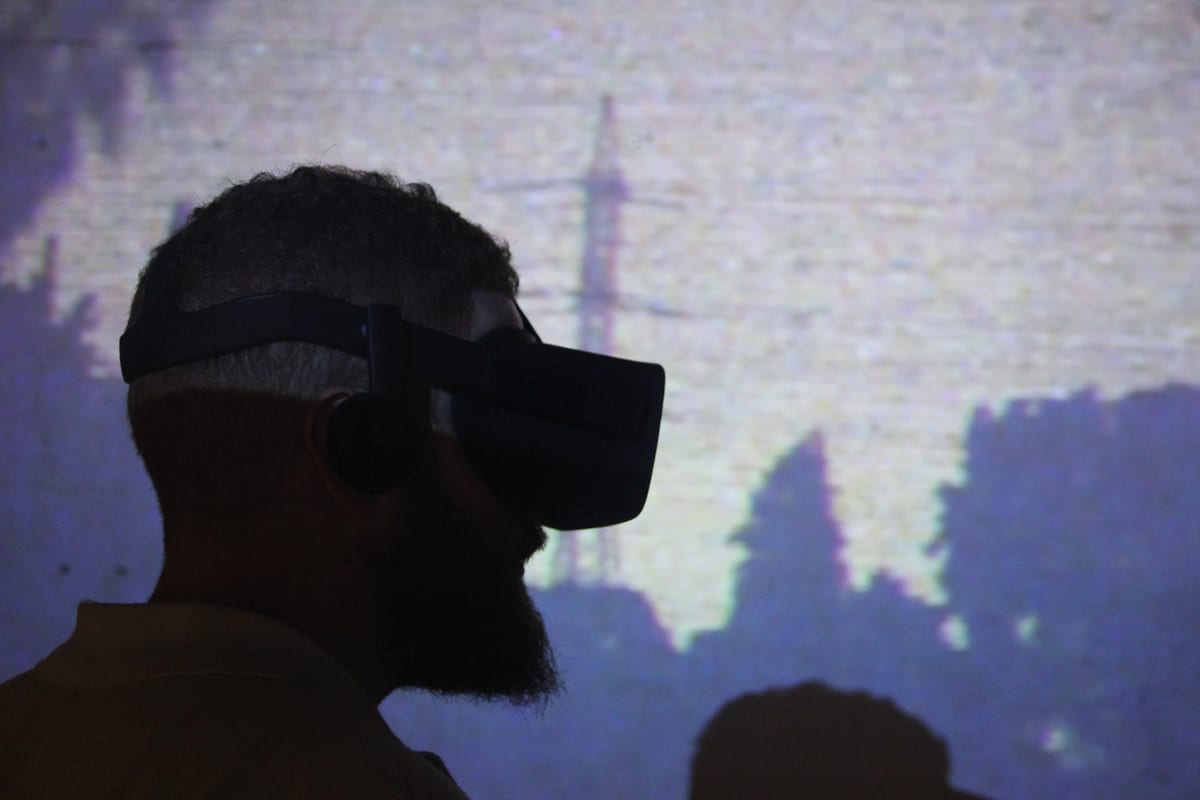
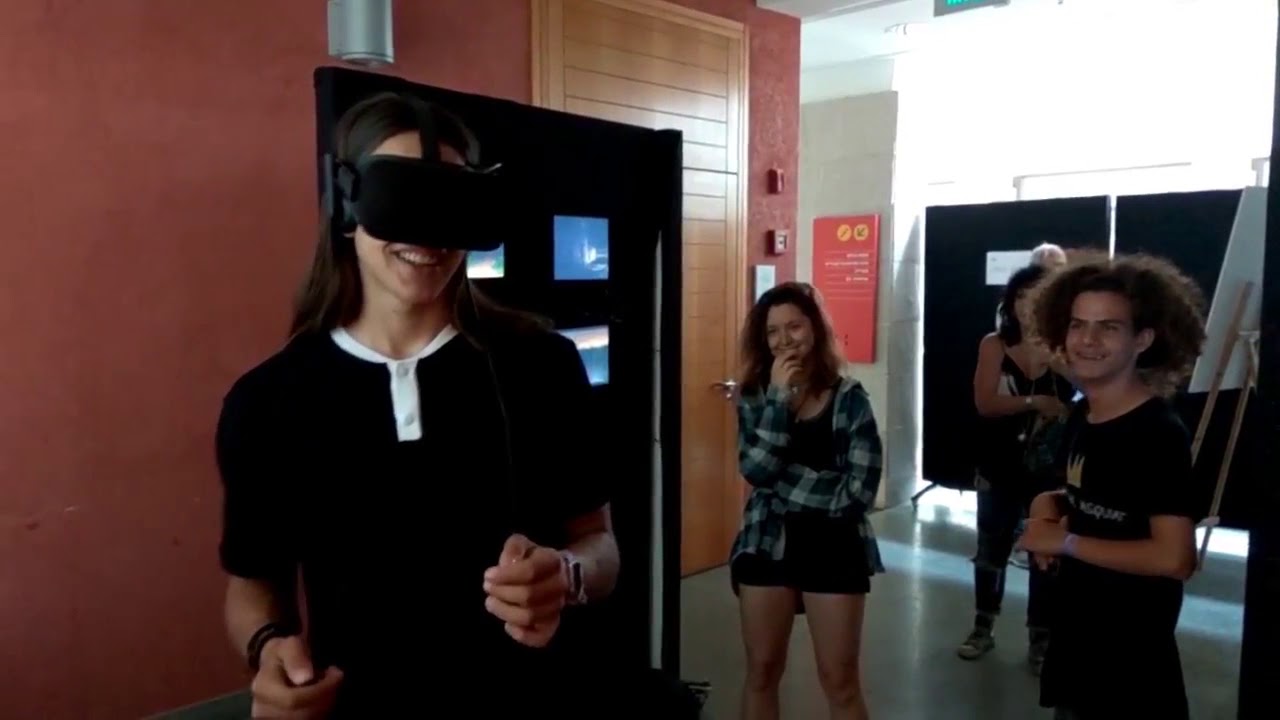
Homescape (2018)
Through a guided meditation, participants are drawn into the dark liminal landscape of the fields surrounding Ma'as, the artist's hometown. They then freely explore regions close to home as well as their own personal uncharted territories.
In the midst of the native biota, vestiges of British colonial rule, and ruins of Palestinian settlements, players encounter the inhabitants of the cultural unconscious, who reside together to form the sites of the artist's childhood memories.
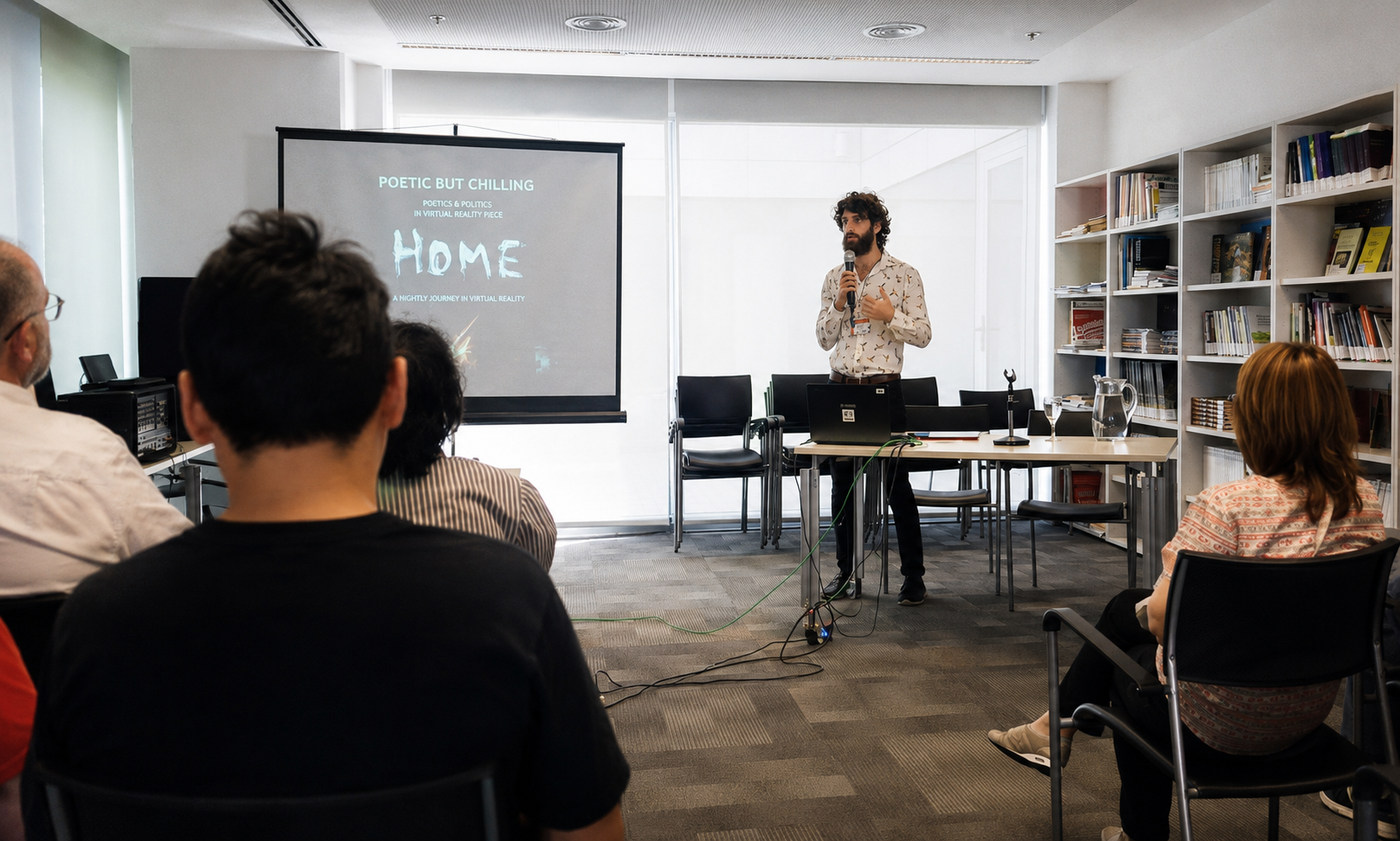
Presenting the piece throughout 2016–2018 presented an opportunity to engage personally with diverse communities around the world and people of all ages.
More InfoFeatured in


Notable Presentations
Festival De Cannes – Israeli Pavilion | Cannes, France (2016: as WIP)
A MAZE – Nominee + Exhibition | Berlin, Germany (2018)
GameOn! – Exhibition | Buenos Aires, Argentina (2017)
The First International Digital Design Symposium and Festival | Taipei, Taiwan (2018)
Beit Kandinof – Solo Exhibition · Homescape, curator: Lior Sedan | Tel Aviv, Israel (2018)
Print Screen Festival – Artist in Residence + Exhibition | Holon, Israel (2017: as WIP)
Haifa International Film Festival – VR Garden | Haifa, Israel (2016: as WIP)
DocAviv | Tel Aviv / Yeruham, Israel (2016: as WIP)
Animation – Jerusalem, Israel (2016: as WIP)
Creative Professional Experience
Alongside my artistic practice, I work as an independent multidisciplinary designer and creative lead. I manage projects from initial strategy through to final delivery, overseeing timelines, budgets, and project scope while designing brands, websites, motion graphics, and digital experiences. My work combines creative direction, systems thinking, and hands-on design to deliver cohesive and impactful outcomes for clients.